TPO vs. EPDM Roofing: Which Is Right for Your Knoxville Commercial Building?
Choosing the right flat roofing membrane is one of the most important decisions a commercial property owner in East Tennessee can make. This guide compares TPO and EPDM roofing systems so building owners in Knoxville, TN, can make a confident, informed choice. Both are proven single-ply membrane systems, but they perform differently given Knoxville's hot, humid summers, active spring storm seasons, and occasional winter freeze-thaw cycles.
What Are TPO and EPDM Roofing Systems?
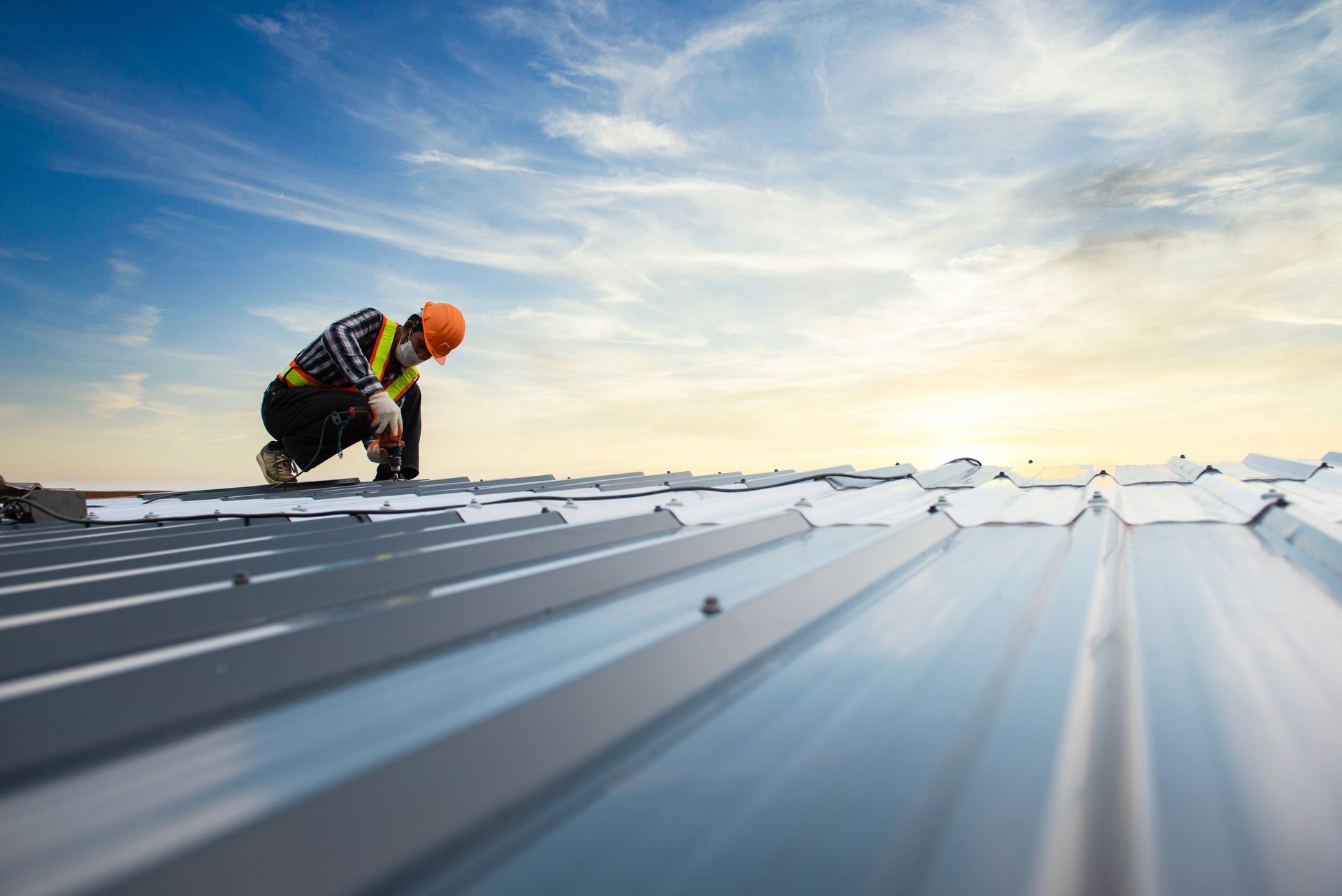
TPO, or Thermoplastic Polyolefin, is a white or light-colored synthetic membrane installed on flat and low-slope roofs. Its reflective surface bounces solar heat away from the building. EPDM, or Ethylene Propylene Diene Monomer, is a synthetic rubber membrane. It has been common in commercial roofing since the 1970s. Most EPDM is black, though white versions exist. A qualified commercial roofing contractor can help you determine which membrane fits your building and local conditions.
How TPO Is Installed
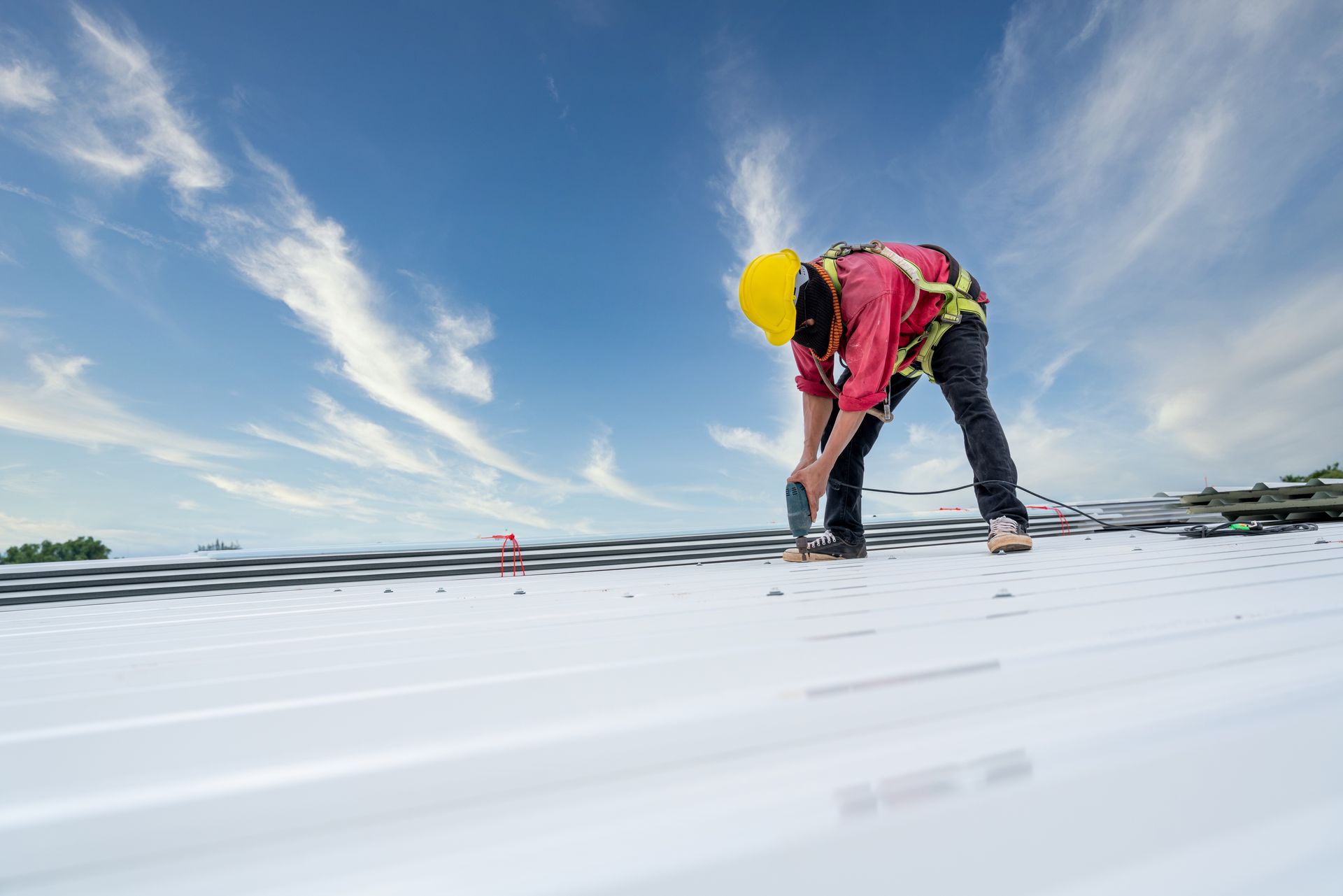
TPO membranes are heat-welded at the seams, creating a continuous bond that can be stronger than the surrounding membrane when installed by a trained technician. TPO is available in large rolls and is typically mechanically attached or fully adhered to the roof deck.
How EPDM Is Installed
EPDM is installed using adhesive, ballast stone, or mechanical attachment. Its seams are glued or taped rather than heat-welded. Adhesive seams are a common maintenance point over time, particularly on older roofs or those with heavy foot traffic from HVAC service crews.
Which System Performs Better in Knoxville's Climate?
East Tennessee's summers regularly push into the 90s with high humidity. Spring brings hail, heavy rain, and strong winds. Winters create freeze-thaw cycles that stress roofing membranes. An experienced commercial roofing contractor familiar with East Tennessee conditions can recommend the membrane best suited to your building.
Heat and Energy Efficiency
TPO has a clear advantage in Knoxville's hot summers. Its reflective white surface reduces heat absorption and can lower cooling demands for large commercial buildings. Traditional black EPDM absorbs heat and can increase indoor cooling loads. White EPDM narrows this gap, but TPO's reflective properties are generally stronger for warm, mixed climates.
Storm and Moisture Resistance
Both systems handle Knoxville's storm seasons well. TPO resists punctures, UV exposure, and moisture. Thicker EPDM membranes (60-mil and above) offer solid hail resistance. The key difference is in the seams. TPO's heat-welded seams form a stronger, more watertight bond. EPDM's adhesive seams may need more attention as the roof ages.
Cold-Weather Flexibility
EPDM stays highly flexible in very cold temperatures, making it more forgiving when maintenance crews access the roof in winter. TPO can stiffen in freezing conditions. For most Knoxville winters, both systems perform adequately, but buildings with frequent cold-weather roof access may benefit from EPDM. A local roofing expert can help weigh this against your maintenance schedule.
TPO vs. EPDM Decision Matrix
- Energy efficiency: TPO's reflective surface is excellent; EPDM is moderate since black membranes absorb heat.
- Seam strength: TPO's heat-welded seams are very strong; EPDM's adhesive or taped seams need more monitoring.
- Cold-weather flexibility: EPDM stays excellent in the cold; TPO is good but can stiffen when freezing.
- Lifespan: TPO typically lasts 20 to 30 years; EPDM typically lasts 25 to 35 years.
- Maintenance ease: TPO repairs require a heat welder; EPDM allows easier field repairs.
- Best for: TPO suits high cooling loads and large roofs; EPDM suits cold climates and frequent foot traffic.
Maintenance and Lifespan Expectations
With regular care, both systems can last 20 to 35 years depending on membrane thickness, installation quality, and maintenance history. Flat roofs in Knoxville should be inspected at least twice per year and after major storm events. EPDM repairs are generally easier to complete in the field using rubber and adhesive. TPO repairs require a heat welder and a trained operator, making a reliable commercial roofing contractor more critical. Scheduled inspections are the single most effective way to extend the life of either investment.
Is TPO or EPDM Better for Hot Climates?
TPO is often the stronger choice. Its reflective white surface reduces heat absorption and can lower cooling costs. Traditional black EPDM absorbs more heat, increasing the load on your HVAC system during Knoxville's hottest months.
How Long Do TPO and EPDM Roofs Last?
With proper installation and routine maintenance, TPO roofs may last 20 to 30 years and EPDM roofs 25 to 35 years. Actual lifespan depends on membrane thickness, installation quality, and inspection consistency.
Which System Is Easier to Repair?
EPDM is generally easier to repair in the field using rubber membrane and adhesive. TPO repairs require a heat welder and a qualified commercial roofing contractor, making emergency patching less straightforward.
Do Both Systems Work on Flat and Low-Slope Roofs?
Yes. Both TPO and EPDM are designed for flat and low-slope applications and are installed in wide membrane sheets that reduce seam count. Discussing your building's layout with a commercial roofing contractor before installation ensures the right attachment method and membrane thickness.
Get Expert Guidance on the Right System for Your Building
The best roofing system for your property depends on your building's size, cooling demands, budget, and roof access frequency. Both TPO and EPDM are excellent long-term investments when installed correctly. If you own or manage a commercial building in Knoxville, TN,
K & L Roofing is ready to help with honest evaluations and quality workmanship. Contact us today to request a
free quote or visit the
commercial roofing services page to learn more. Call
865-724-4477 to schedule your commercial roof inspection.